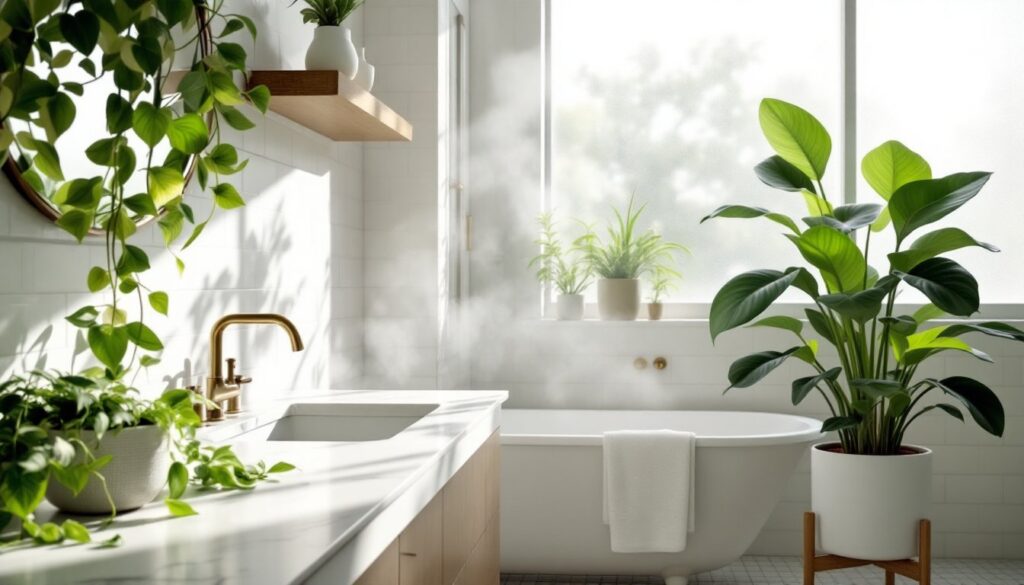
Most homeowners overlook the bathroom when adding greenery to their spaces, assuming the humidity and limited light make it inhospitable. That’s a mistake. The truth is, bathrooms offer conditions many houseplants crave, consistent moisture, warmth, and stable temperatures. Whether you’re working with a windowless powder room or a sun-drenched master bath, there’s a plant that’ll thrive there. This guide walks through the best bathroom plants for various light conditions, where to place them, and how to keep them healthy without adding another chore to your weekend routine.
Table of Contents
ToggleKey Takeaways
- Bathrooms provide ideal conditions for houseplants with consistent humidity (60-80%), warm temperatures, and stable climates that mimic tropical environments.
- Low-light bathroom plants like snake plants, pothos, ZZ plants, and philodendrons thrive in windowless or dimly-lit spaces while tolerating irregular watering.
- Bright bathroom windows accommodate light-loving species such as Boston ferns, orchids, spider plants, and air plants that enhance décor and improve air quality.
- Proper placement—from windowsills and floating shelves to hanging planters and corners—maximizes growth while protecting bathroom fixtures and grout from water damage.
- Overwatering is the primary threat to bathroom plants; check soil moisture before watering, ensure drainage holes in all pots, and run exhaust fans to prevent mold and root rot.
- Starting with one or two bathroom plants suited to your light conditions allows you to establish a care routine before gradually expanding your indoor garden.
Why Bathrooms Are Actually Perfect for Plants
Bathrooms mimic tropical and subtropical environments better than almost any other room in a house. When someone showers, humidity spikes to 60-80%, exactly what ferns, orchids, and aroids experience in their native habitats. That moisture lingers, especially in bathrooms with poor ventilation, creating a microclimate that reduces how often plants need watering.
Temperature stability matters, too. Bathrooms typically maintain a narrower temperature range than living rooms or bedrooms because they’re interior spaces with smaller windows. Most bathrooms stay between 65-75°F year-round, which suits the majority of tropical houseplants.
The main challenge isn’t the environment, it’s light. Bathrooms often have small windows, frosted glass, or no windows at all. But plenty of good plants for the bathroom tolerate or even prefer low light. If your bathroom gets indirect sun or has a skylight, your options expand significantly.
One more benefit: bathrooms are typically small, which means you can create a lush look with just 3-5 plants. A single pothos on a shelf or a snake plant in the corner changes the entire feel of the space without requiring a full-scale indoor garden.
Best Plants for Bathroom Environments
Low-Light Bathroom Plants
If your bathroom has a window that faces north or is more than six feet from a light source, these are your go-to options. They tolerate low to medium light and handle the humidity without issue.
Snake Plant (Sansevieria trifasciata): One of the best bathroom plants for beginners. It tolerates neglect, low light, and irregular watering. Snake plants grow upright, making them ideal for tight floor spaces next to the toilet or vanity. They also filter airborne toxins, which is a bonus in smaller, enclosed spaces.
Pothos (Epipremnum aureum): A trailing vine that works on shelves, medicine cabinets, or hanging planters. Pothos thrives in humidity and can survive in dim conditions, though it’ll grow faster with indirect light. The variegated varieties (like ‘Marble Queen’) will lose some of their white patterning in very low light but remain healthy.
ZZ Plant (Zamioculcas zamiifolia): Glossy, dark green leaves and a thick rhizome that stores water. ZZ plants handle low light and infrequent watering better than almost anything else. They’re slow-growing, so choose a size that fits your space from the start.
Cast Iron Plant (Aspidistra elatior): Named for its toughness. It tolerates low light, temperature swings, and inconsistent care. The broad, dark green leaves add a tropical look without the fussiness of most tropical plants.
Philodendron (heartleaf varieties): Similar care to pothos but with slightly larger, heart-shaped leaves. Grows well in hanging baskets or trained along a wall using adhesive hooks. Good bathroom plants that can handle steam and low light.
Many of these indoor plants for bathroom use produce offshoots or cuttings that root easily in water, so you can propagate backups if something goes wrong.
Plants for Bright, Sunny Bathrooms
If your bathroom has a south- or west-facing window, or a skylight that provides several hours of bright indirect or direct light, you can grow a wider range of species.
Boston Fern (Nephrolepis exaltata): Classic bathroom plant. Loves humidity and bright, indirect light. Requires consistent moisture, check the soil every few days. Boston ferns can get large (18-24 inches wide), so plan for space on a windowsill, plant stand, or hanging basket.
Orchids (Phalaenopsis species): Contrary to their reputation, orchids aren’t difficult, they just have specific needs. Bright, indirect light and high humidity make bathrooms ideal. Water once a week by soaking the roots for 10-15 minutes, then let excess drain completely. Interior design experts often recommend placing orchids on windowsills or floating shelves where they catch morning light.
Spider Plant (Chlorophytum comosum): Tolerates a range of light conditions but produces more offshoots (the ‘spiderettes’) in brighter light. Spider plants filter formaldehyde and xylene, both common in cleaning products. They’re forgiving if you forget to water for a week.
Aloe Vera: Needs bright light and well-draining soil. Water sparingly, let the soil dry out between waterings. Aloe’s gel has practical uses for minor burns or skin irritation, which is handy in a bathroom.
Air Plants (Tillandsia species): Don’t need soil. Mount them on driftwood, place them in glass terrariums, or set them on a dish. Mist 2-3 times per week or soak them for 20 minutes once a week. They thrive in humid environments and look striking when grouped.
For sunny bathrooms, drainage is critical. Make sure any pot sitting on a windowsill has drainage holes, or use a cachepot (a decorative outer pot without holes) with a plastic nursery pot inside that drains into a saucer.
Where to Place Plants in Your Bathroom
Placement depends on light, space, and whether you’re renting or own the property. Start by assessing your bathroom’s light zones with a smartphone light meter app (these are free and give readings in foot-candles or lux). Low light is under 100 foot-candles: medium is 100-500: bright indirect is 500-1,000.
Windowsills: The obvious choice for good plants for bathroom environments that need bright light. Use a waterproof tray or saucer to catch overflow. If the sill is narrow, look for compact varieties or use adhesive shelf risers to create tiers.
Shelving (floating or built-in): Install floating shelves above the toilet, next to the mirror, or in an empty corner. Use 1×6 or 1×8 boards with concealed bracket mounts rated for at least 20 pounds per bracket. Trailing plants like pothos or philodendron soften the look of open shelving.
Floor space: Snake plants, ZZ plants, and larger ferns work in corners or beside the vanity. If your bathroom is tiled, place plants on a plant stand or waterproof mat to protect grout from water damage during watering.
Shower and tub surrounds: Japanese-style bathrooms often incorporate plants directly in the shower using hanging planters or wall-mounted brackets. This works if you have a window in the shower or nearby. Use stainless steel or plastic hardware, nothing that rusts. Boston ferns and certain orchids love the constant steam.
Hanging planters: Use ceiling hooks screwed into a joist (not just drywall) or toggle bolts rated for the plant’s weight plus the pot and soil (usually 10-15 pounds for a mature hanging plant). Macramé hangers are trendy but check that they’re mildew-resistant if they’ll be exposed to steam regularly.
Countertops and vanity tops: Keep plants away from soap scum and toothpaste. Use a small tray or saucer to corral water. Succulents and air plants work well here because they don’t need frequent watering that would clutter the counter.
If you’re short on horizontal space, go vertical. Install a wall-mounted wire grid (sometimes called a mesh panel) and use S-hooks to hang small pots. This is renter-friendly if you use adhesive Command strips rated for the weight.
Caring for Your Bathroom Plants
Watering: The biggest mistake is overwatering. Bathroom humidity means soil stays moist longer. Check soil moisture by sticking your finger 1-2 inches down, if it’s damp, wait. Most best plants for bathroom settings need water every 7-10 days, but that varies by species and pot size. Use room-temperature water to avoid shocking roots.
Drainage: Every pot needs drainage holes. If you’re using a decorative pot without holes, place a plastic nursery pot inside it and lift the plant out to water over a sink or tub. Let it drain completely before returning it to the cachepot. Sitting in water causes root rot faster than anything else.
Cleaning leaves: Dust and soap residue block light and reduce photosynthesis. Wipe leaves with a damp microfiber cloth every few weeks. For ferns and plants with delicate foliage, a quick rinse in the shower works, just use lukewarm water and let them drain afterward.
Fertilizing: Bathroom plants grow slower than those in brighter rooms, so they need less fertilizer. Use a balanced liquid fertilizer (10-10-10 or 20-20-20) diluted to half strength once a month during spring and summer. Skip fertilizing in fall and winter unless you have grow lights.
Ventilation: Run the exhaust fan after showers to prevent mold on walls and pots. If your bathroom doesn’t have a fan, crack the door or window for 15-20 minutes to let moisture escape. Stagnant air encourages fungus gnats and mildew.
Pest management: Fungus gnats thrive in moist soil. Let the top inch of soil dry out between waterings and add a 1/2-inch layer of sand on top of the soil to disrupt their breeding cycle. If you see mealybugs or scale (small, cottony or shell-like bumps on stems), wipe them off with a cotton swab dipped in rubbing alcohol.
Repotting: Most houseplants need repotting every 1-2 years when roots start circling the pot or growing through drainage holes. Move up one pot size (e.g., from a 6-inch to an 8-inch pot). Use a well-draining potting mix, not garden soil, and add perlite or orchid bark for extra drainage if your bathroom stays very humid.
Light adjustment: If a plant’s leaves turn yellow or drop, it might not be getting enough light. Garden design resources suggest moving the plant closer to a window or supplementing with a small LED grow light (look for full-spectrum bulbs rated 2,000-3,000 lumens). Mount grow lights 12-18 inches above the plant and run them on a timer for 12-14 hours per day.
Safety note: Some common bathroom plants are toxic to pets and children. Pothos, philodendron, and snake plants contain calcium oxalates that cause irritation if ingested. If you have curious cats or toddlers, stick with non-toxic options like spider plants, Boston ferns, or air plants.
Conclusion
Bathrooms offer humidity, stable temps, and often-overlooked space that’s perfect for greenery. Whether someone’s working with a windowless powder room or a light-filled master bath, there’s a plant that’ll thrive. Start with one or two good bathroom plants that match the light level, get the watering rhythm down, and expand from there. The payoff, cleaner air, better aesthetics, and a space that feels less sterile, is worth the minimal effort.