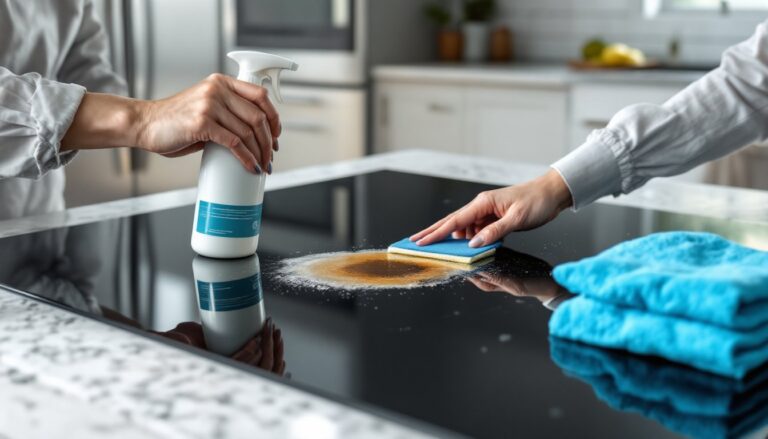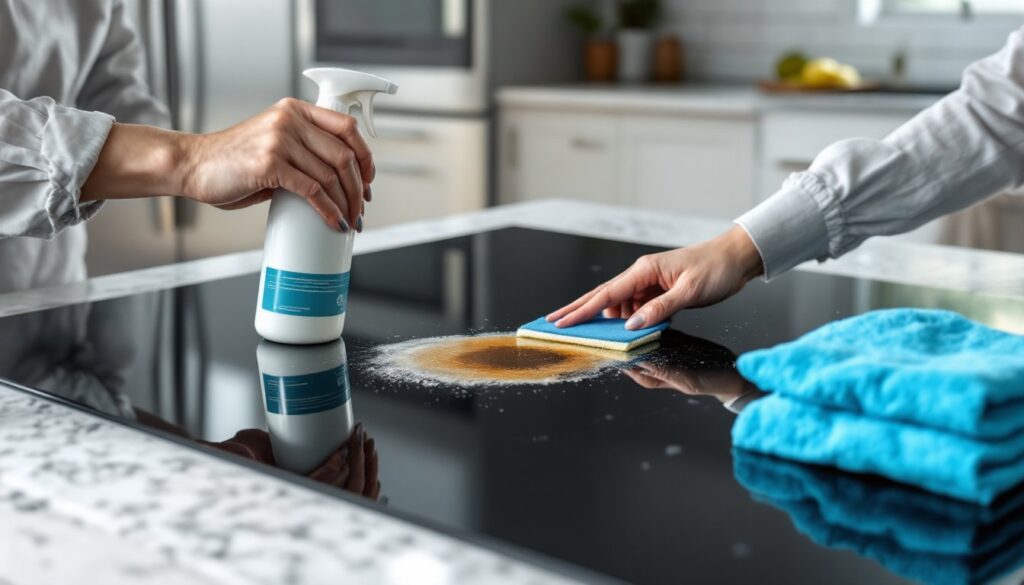
A gleaming glass cooktop looks sharp until the first boil-over. Burnt sugar, oil splatters, and mineral deposits from hard water can turn a sleek surface into a streaked mess that dulls your kitchen’s whole appearance. Unlike traditional coil burners that hide grime, glass and ceramic cooktops show every smudge, and the wrong cleaner can scratch that smooth finish permanently. The good news? With the right glass stove top cleaner and a basic understanding of what works (and what doesn’t), anyone can restore that showroom shine in minutes. This guide covers the best cleaners for glass stove tops, step-by-step cleaning techniques, and the mistakes that turn a quick wipe-down into a repair job.
Table of Contents
ToggleKey Takeaways
- Regular glass stove top cleaner maintenance improves heat transfer efficiency, prevents safety hazards from grease buildup, and extends your appliance’s lifespan.
- Purpose-built glass stove top cleaners like Cerama Bryte, Weiman, and Bar Keepers Friend outperform all-purpose sprays, with cream formulas working better on burnt-on residue than spray versions.
- A baking soda paste (3:1 ratio with water) combined with white vinegar offers an effective natural alternative for most kitchen spills, though commercial cleaners handle heavily carbonized stains better.
- Always let your cooktop cool completely, scrape at a 45-degree angle, and wipe with microfiber cloths to avoid thermal shock, scratches, and permanent damage to tempered glass.
- Light daily wipe-downs with dish soap prevent buildup, while deep cleaning with a glass stove top cleaner weekly keeps your cooktop looking like new and protects resale value.
Why Regular Glass Stove Top Cleaning Matters
Glass and ceramic cooktops aren’t just about aesthetics, they’re also about performance and longevity. Burnt-on residue acts as an insulator, reducing heat transfer efficiency and forcing burners to work harder. Over time, this can shorten the lifespan of heating elements and drive up energy costs.
Safety concerns matter, too. Grease buildup ignites easily at high temps, and carbonized spills can create uneven heating that warps pans or causes hot spots. A clean surface heats predictably: a dirty one doesn’t.
Then there’s the scratch factor. Dragging pans across debris grinds particles into the glass, leaving permanent marks. Regular cleaning with a proper glass stovetop cleaner removes abrasive grit before it causes damage. Most manufacturers recommend wiping down the cooktop after every use and doing a deeper clean weekly, skipping this voids some warranties.
Finally, resale value. Home buyers notice kitchen condition immediately, and a spotless glass cooktop signals that the home’s been maintained. Neglected cooktops with etched stains or scratches suggest deferred maintenance elsewhere. A $10 bottle of cleaner protects a $500+ appliance.
Best Types of Glass Stove Top Cleaners
Commercial Glass Stove Top Cleaners
Purpose-built products dominate this category for good reason: they’re formulated to dissolve burnt sugars, oils, and starches without scratching tempered glass. Most best glass stove top cleaners use a mild abrasive (often calcium carbonate or silica) suspended in a creamy base that lubricates while it scrubs.
Cerama Bryte is the industry standard, a thick, white cream that tackles heavy buildup and leaves a protective coating. Use it with the included scraper for baked-on messes. Weiman is another top choice, available in cream or spray form. The spray works well for daily maintenance: the cream handles tougher jobs. Affresh (made by Whirlpool) is designed for their appliances but works on any glass cooktop. It’s slightly less abrasive, making it ideal for routine cleaning.
For serious carbonized spills, some professionals swear by Bar Keepers Friend Cooktop Cleaner, not to be confused with their powdered cleanser, which is too harsh. The cooktop version uses oxalic acid to break down mineral deposits and rust stains without scratching. Independent testing from Good Housekeeping’s cleaner reviews confirms that cream-based formulas outperform sprays on burnt-on residue.
Most commercial ceramic glass cooktop cleaners cost $5-$12 per bottle and last for months with regular use. Pair them with a proper scraper (razor blade at a 45-degree angle or a dedicated plastic scraper) for best results.
DIY and Natural Cleaning Solutions
Homeowners wanting to skip commercial chemicals have solid options, though they require more elbow grease. Baking soda paste (three parts baking soda to one part water) is the go-to natural glass top cleaner. Spread it over cooled burners, let it sit 15-20 minutes, then scrub with a damp microfiber cloth. The mild alkalinity breaks down acidic food residues, and the fine grit buffs without scratching.
White vinegar works well for cutting grease and dissolving mineral deposits. Spray it on, let it foam (especially effective over baking soda), then wipe clean. Don’t use vinegar alone on hot surfaces, it evaporates too quickly and leaves streaks.
For a one-two punch, apply baking soda paste first, spray vinegar over it, wait for the fizzing to stop, then scrub. This method handles about 80% of what commercial cleaners do, but struggles with truly carbonized spills.
Dish soap and hot water suffice for daily wipe-downs if spills are caught immediately. Add a drop of soap to a wet microfiber cloth and wipe in circular motions. Follow with a dry cloth to prevent streaking. Some DIYers add a few drops of essential oil (lemon or lavender) for scent, though this doesn’t improve cleaning power.
Avoid lemon juice even though its popularity, it’s acidic enough to etch glass over time. Skip ammonia-based glass cleaners (like Windex), which leave a filmy residue that burns on with heat.
Step-by-Step Guide to Cleaning Your Glass Stove Top
Gather your materials:
- Glass cooktop cleaner (commercial or DIY paste)
- Razor blade scraper or plastic scraper
- Microfiber cloths (at least two, one for cleaning, one for buffing)
- White vinegar (optional, for final polish)
- Rubber gloves (protects hands from hot surfaces and cleaner residue)
Step 1: Let the cooktop cool completely. Cleaning a warm surface causes streaking and can burn your hands. Wait at least 30 minutes after cooking.
Step 2: Remove loose debris. Use a dry microfiber cloth or soft brush to sweep away crumbs and loose particles. Dragging the scraper over grit scratches the glass.
Step 3: Apply cleaner. Squeeze a quarter-sized dollop of cleaner for glass stove top onto each burner area. For DIY paste, spread it in a thin, even layer. Let it sit 5-10 minutes for burnt-on residue, this dwell time lets the formula penetrate carbonized layers.
Step 4: Scrape stubborn spots. Hold the razor blade or scraper at a 45-degree angle and push away from your body in smooth, overlapping strokes. Never scrape toward yourself or at a steeper angle, you’ll gouge the glass. Focus on discolored areas and raised bumps. For extra-stubborn spots, reapply cleaner and wait another 5 minutes.
Step 5: Scrub in circles. Use a damp microfiber cloth to work the cleaner across the entire surface. Circular motions lift grime better than straight lines. Apply medium pressure, you shouldn’t need to bear down hard if the cleaner’s doing its job.
Step 6: Wipe clean. Rinse your cloth (or grab a fresh one) and remove all cleaner residue. Any leftover product will burn on with the next use, creating new stains. Make two or three passes to ensure you’ve cleared everything.
Step 7: Buff to a streak-free finish. Use a dry microfiber cloth to polish the glass. Many enthusiasts finish with a light vinegar spray (misted, not puddled) and a final buff, this step is optional but adds extra shine. Techniques borrowed from The Spruce’s cleaning guides emphasize this final buffing step for professional-looking results.
Step 8: Clean burner rings and trim. While you’re at it, wipe down any chrome or stainless trim around the cooktop. Use the same glass top stove cleaner or switch to stainless polish if applicable.
Frequency: Do a light wipe-down after every use (just dish soap and water). Deep-clean with a best cleaner for glass stove top weekly if you cook daily, every two weeks for lighter use.
Common Mistakes to Avoid When Cleaning Glass Stove Tops
Using abrasive scrubbers. Steel wool, scouring pads, and stiff brushes scratch tempered glass permanently. Stick to microfiber cloths, soft sponges, or the scrubbers designed specifically for glass cooktops (usually tan or white pads included with commercial cleaners).
Cleaning while hot. Applying cold cleaner to a hot surface causes thermal shock, which can crack the glass. It also burns the cleaner onto the surface, creating new stains. Always wait until the cooktop is cool to the touch.
Skipping the scraper. Homeowners often scrub harder instead of scraping first. A razor blade or proper scraper removes raised, burnt-on residue in seconds, no amount of scrubbing with a cloth will do the same job. Just maintain that 45-degree angle to avoid scratches.
Using the wrong cleaners. All-purpose sprays, oven cleaners, and bleach-based products can discolor or etch glass cooktops. Even some glass oven top cleaner formulas designed for oven doors are too harsh for cooktops. Stick to products labeled specifically for ceramic or glass stovetops.
Letting spills sit. Sugar-based spills (from boiling over pasta water, syrups, or sauces) carbonize quickly and bond to glass at high heat. If something boils over mid-cooking, turn off the burner, let it cool slightly, then scrape it off before resuming. Waiting until after dinner turns a 30-second fix into a 10-minute scrubbing session.
Dragging heavy pots. Sliding cast iron or stoneware across the cooktop grinds debris into the glass and creates scratches. Always lift cookware, even when it’s heavy. If a pan is too awkward to lift safely, use two hands or get help.
Over-wetting the surface. Puddling water or cleaner into seams and gaps around burner elements can damage electronics underneath. Use damp cloths, not soaking-wet ones, and wipe spills immediately.
Ignoring manufacturer instructions. Some brands (like Samsung or LG) void warranties if you use unapproved cleaners or methods. Check your owner’s manual, most are available online if you’ve lost the paper copy. When in doubt, guidance from trusted sources like Martha Stewart’s cleaning section can supplement manufacturer recommendations with practical, tested techniques.
Conclusion
A spotless glass cooktop isn’t about perfection, it’s about consistency. Choose a best glass top stove cleaner that fits your preference (commercial or DIY), scrape before you scrub, and wipe down after every use. Avoid abrasive tools and cleaners, let the surface cool before cleaning, and don’t let sugar-based spills sit. Stick to these basics, and that smooth, streak-free finish stays intact for years without special skills or expensive products.