Hard water leaves its mark everywhere, spotted glassware, clogged faucet aerators, and that weird filmy feeling on your skin after showering. If you’re dealing with mineral-heavy water, you’ve probably noticed your shampoo doesn’t lather properly and your hair feels like straw no matter how much conditioner you use. A water softener shower head offers a straightforward fix without the expense or complexity of a whole-house system. These specialized fixtures filter out calcium and magnesium right at the source, turning harsh water into something gentler on your body and easier on your plumbing. Installation takes about fifteen minutes with basic tools, and the difference shows up the first time you rinse off.
Table of Contents
ToggleKey Takeaways
- A water softener shower head filters calcium and magnesium minerals directly at your shower using KDF media, Vitamin C filters, or polyphosphate beads without requiring electricity or whole-house installation.
- Hard water signs include white scale buildup, poor soap lathering, and skin or hair that feels filmy and coarse—confirm hardness levels above 7 grains per gallon with an inexpensive test kit before purchasing.
- Installing a water softener shower head improves skin and hair health within weeks, reduces soap scum buildup, and protects plumbing fixtures from scale damage while extending the life of your shower components.
- Choose your water softener shower head based on your primary water issue (chlorine, scale, or both), verify thread compatibility, and compare annual filter replacement costs before buying.
- DIY installation takes 10–15 minutes with just an adjustable wrench and Teflon tape—remove the old head, clean threads, wrap with tape, hand-tighten the new assembly, and flush for 30–60 seconds before use.
What Is a Water Softener Shower Head and How Does It Work?
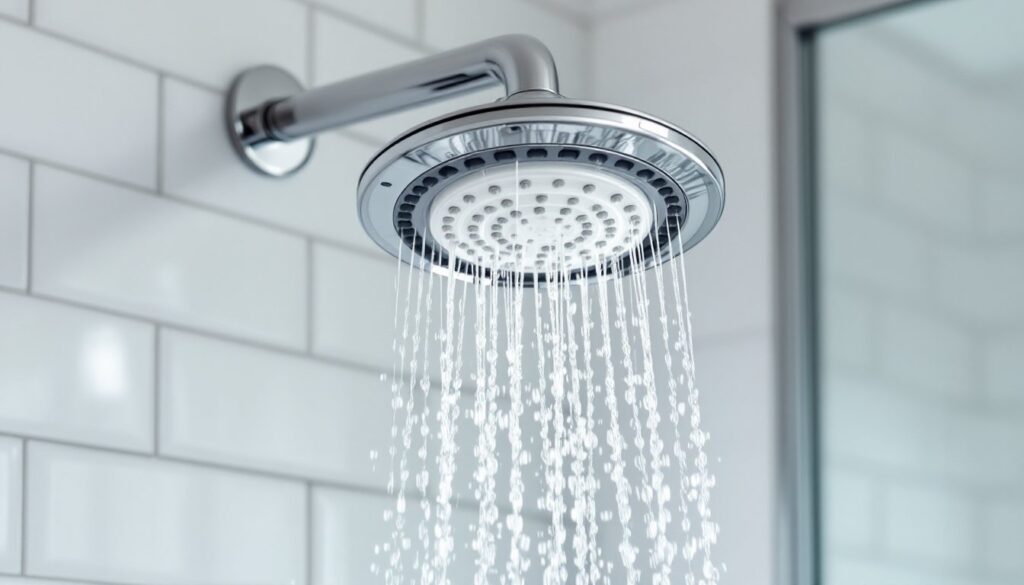
A water softener shower head combines a standard shower fixture with an integrated filtration cartridge that reduces hardness-causing minerals. Unlike whole-house water softener systems that use salt-based ion exchange, these units rely on different mechanisms, most commonly KDF (Kinetic Degradation Fluxion) media, Vitamin C filters, or polyphosphate beads.
KDF filters use a copper-zinc alloy to neutralize chlorine and reduce scale-forming minerals through an electrochemical reaction. Vitamin C (ascorbic acid) cartridges excel at removing chlorine and chloramine but don’t technically soften water, they improve it by eliminating harsh chemicals. Polyphosphate systems coat mineral particles so they can’t bond to surfaces or your skin, effectively preventing scale buildup without removing the minerals.
A shower water softener doesn’t require electricity or drainage connections. The cartridge sits between your shower arm and the shower head itself, filtering every gallon that passes through. Flow rates remain comparable to standard fixtures, typically 1.8 to 2.5 gallons per minute, so you won’t notice a pressure drop if the cartridge is properly maintained.
Filter lifespans vary by water hardness and household usage. Expect to replace cartridges every 3 to 6 months in a typical 2- to 4-person household with moderately hard water (7–10 grains per gallon). Very hard water (above 10 gpg) shortens that timeline. Most manufacturers include clear or translucent housings so you can monitor media condition visually.
Signs You Need a Water Softener Shower Head in Your Home
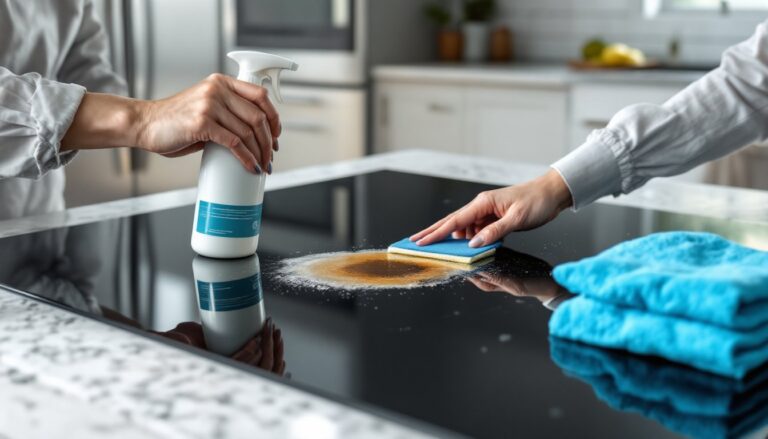
Your water tells you when it’s too hard, you just need to recognize the signals. White or yellowish scale buildup around the shower arm, on glass doors, and at the base of the fixture indicates high mineral content. That crusty residue is calcium carbonate and magnesium deposits left behind as water evaporates.
Soap and shampoo that won’t lather properly is another dead giveaway. Hard water interferes with surfactant chemistry, meaning you end up using twice as much product to get half the cleaning power. If you’re going through bottles faster than seems normal, mineral content is likely the culprit.
Skin that feels tight, itchy, or filmy after showering, even when you rinse thoroughly, suggests mineral deposits clinging to your skin. Hair that tangles easily, feels coarse, or develops a dull appearance even though regular conditioning also points to hard water damage. The minerals bond to hair cuticles and prevent moisture from penetrating the shaft.
Check your municipal water report or use an inexpensive water hardness test kit (available at hardware stores for under $15). Readings above 7 grains per gallon qualify as hard: above 10 gpg is very hard. Once you confirm hardness levels, a shower head water softener makes practical sense, especially if a whole-house system isn’t in your budget or feasible for your living situation (renters, apartment dwellers, or homes with limited plumbing access).
Top Benefits of Installing a Water Softener Shower Head
Healthier Skin and Hair
Softened shower water restores your skin’s natural pH balance by removing the minerals that cause dryness and irritation. People with eczema, psoriasis, or sensitive skin often report noticeable improvement after switching to a water softener for shower use. The reduction in chlorine (when using KDF or Vitamin C filters) further reduces skin inflammation and redness.
Hair responds quickly to softer water. Without mineral buildup coating each strand, conditioners and treatments penetrate properly. Color-treated hair holds dye longer, and natural oils distribute more evenly from scalp to ends. You’ll use less product overall, one bottle of shampoo can last 30-40% longer when it’s actually doing its job instead of fighting mineral deposits. Many shower filters significantly improve both hair texture and skin condition within just a few weeks.
Reduced Soap Scum and Easier Cleaning
Soap scum is actually a chemical reaction between soap and hard water minerals. When you install a water softener shower filter, you eliminate most of that reaction at the source. Glass doors stay clearer longer, and tile grout doesn’t accumulate the same grimy film.
Cleaning time drops significantly. Instead of scrubbing calcium deposits with acidic cleaners weekly, a quick wipe-down with a standard bathroom cleaner every couple of weeks keeps surfaces looking good. Your shower head itself also stays clearer, those clogged spray holes that reduce water pressure happen far less frequently when mineral content is controlled.
Fixture longevity improves, too. Scale buildup inside valves and cartridges causes premature wear and leaks. A shower water softener protects not just the shower head but also the mixing valve and trim behind the wall, potentially adding years to your fixture’s service life.
How to Choose the Right Water Softener Shower Head for Your Bathroom
Start by identifying your primary water issue. If chlorine smell or taste bothers you, prioritize KDF or Vitamin C filters. For visible scale and mineral deposits, look for polyphosphate-based systems or multi-stage filters that address both chlorine and hardness.
Check your existing shower arm thread size, most residential installations use ½-inch NPT (National Pipe Thread), but verify before ordering. The best shower head water softener will include adapters or clearly state compatibility. Confirm the fixture’s finish matches your bathroom hardware (chrome, brushed nickel, oil-rubbed bronze, etc.) if aesthetics matter.
Flow rate matters for households with low water pressure. Look for models rated at 2.5 gpm if your current pressure is adequate, or choose a 1.8 gpm low-flow design if you’re in a drought-prone area or want to reduce water usage. Some water softener shower heads include pressure-compensating features that maintain spray force even with filtration resistance.
Filter replacement cost and availability should factor into your decision. A $40 shower head is no bargain if replacement cartridges cost $25 and you need them every 8 weeks. Calculate annual filter costs based on your household size and water hardness. Budget-friendly options exist with replacement cartridges under $12 that last 4–6 months.
Consider whether you want a handheld shower head water softener or a fixed mount. Handheld units offer flexibility for rinsing pets, cleaning the shower, or accommodating users with mobility limitations. Fixed mounts provide a cleaner look and typically have larger spray faces. Some best shower water softener models offer combo systems with both a fixed head and a handheld wand.
Read independent reviews from verified purchasers, not just manufacturer claims. Look for feedback about actual water quality improvement, cartridge lifespan in real-world conditions, and how well the unit holds up after 6–12 months of use.
DIY Installation Guide: Installing Your Water Softener Shower Head
This is one of the simplest home improvement projects you’ll tackle, no permits, no wall access, and minimal tools required. Most installations take 10–15 minutes.
Tools and materials needed:
- Adjustable wrench or pliers
- Teflon tape (PTFE thread seal tape)
- Soft cloth or old towel
- Optional: thread adapter (if included with your water softener shower head attachment)
Step-by-step installation:
-
Remove the existing shower head. Turn it counterclockwise by hand first. If it won’t budge, wrap the shower arm connection with a cloth to protect the finish, then use an adjustable wrench. Turn gently, over-torquing can crack the shower arm inside the wall.
-
Clean the shower arm threads. Scrape off old Teflon tape and mineral deposits using your fingernail or a soft brush. Wipe threads clean with a damp cloth. Debris left on the threads can cause leaks.
-
Apply fresh Teflon tape. Starting at the base of the threads, wrap the tape clockwise (when looking at the end of the pipe) 3–4 times. Overlap each wrap by half the tape width. Press it smooth with your thumb so it doesn’t bunch up.
-
Attach the filter housing or adapter. If your water softener for shower head has a separate filter housing, thread it onto the shower arm first. Hand-tighten, then use a wrench to snug it an additional quarter-turn. Don’t over-tighten, you’re sealing with tape, not torque.
-
Install the shower head. Thread the shower head onto the filter housing or directly onto the adapter. Again, hand-tighten first, then snug with a wrench. Most modern fixtures have rubber gaskets that compress to seal, so you don’t need excessive force.
-
Test for leaks. Turn the water on at moderate pressure. Check all connections for drips. A few drops during the first 30 seconds is normal as air purges from the system. Persistent leaking means you need another wrap of Teflon tape or to tighten the connection slightly.
-
Flush the system. Run water through the new water softener shower for 30–60 seconds to flush manufacturing residues and activate the filter media. Don’t skip this step, some cartridges contain fine carbon dust that needs to clear before your first shower.
Maintenance notes: Mark your calendar or set a phone reminder for filter replacement based on the manufacturer’s recommendation. Most cartridges twist off by hand for quick swaps. Keep a spare cartridge on hand so you’re not caught without one. Some advanced models include flow meters or timers that track usage and signal when replacement is due.
If you notice reduced water pressure after installation, the filter may be clogged prematurely (indicating very hard water) or installed incorrectly. Check that any flow direction arrows on the housing point toward the shower head, not back toward the wall. For detailed seasonal maintenance guidance and filter care, consult your manufacturer’s documentation.
Safety note: If your shower arm feels loose in the wall during removal, stop and assess. A loose arm can indicate corroded pipe inside the wall, a job for a licensed plumber, not a DIY fix. Don’t force anything that doesn’t turn relatively easily.