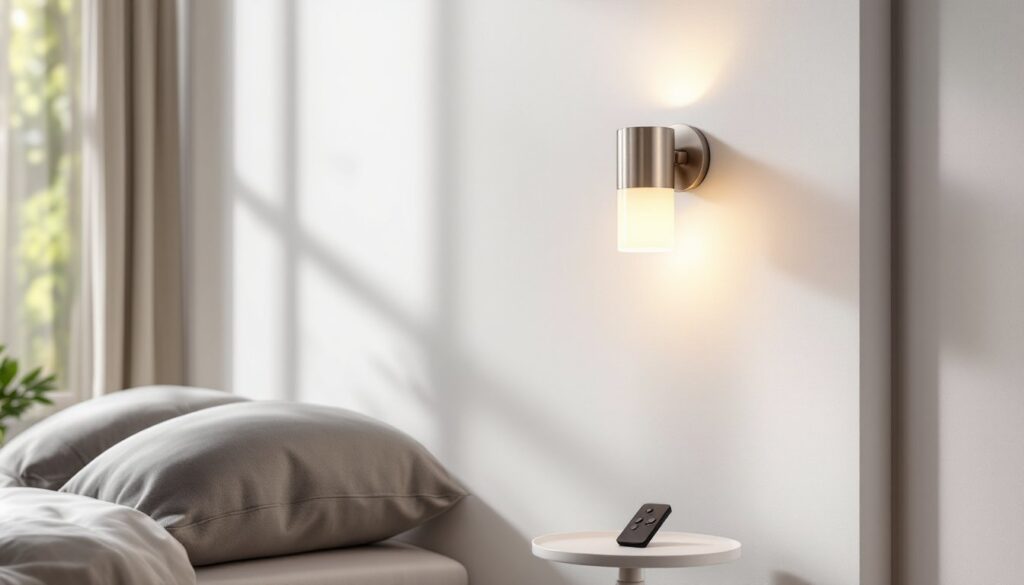
Battery operated wall sconces have become a go-to solution for homeowners who want the elegance of wall lighting without running electrical wire through walls. Whether someone’s renting and can’t hardwire, dealing with plaster walls that would crumble during electrical work, or simply wants accent lighting where no junction box exists, wireless wall sconces deliver professional-looking illumination in minutes instead of hours. Modern LED technology has pushed battery life into months rather than days, while remote controls and motion sensors have made these fixtures genuinely practical for everyday use. This guide walks through everything needed to choose, install, and maintain battery wall sconces that actually work.
Table of Contents
ToggleKey Takeaways
- Battery operated wall sconces install in 15-20 minutes without electrical wiring, making them ideal for renters and homeowners avoiding permits and hardwiring costs.
- Modern LED battery sconces deliver 50-100 hours of continuous runtime on AA batteries and can last months with daily 2-3 hour use, eliminating frequent battery replacements.
- Choose battery operated wall sconces with six AA batteries minimum or rechargeable lithium-ion packs rated 2000mAh+ for reliable performance, targeting 200-300 lumens for task lighting.
- Proper mounting height varies by location: 55-60 inches for bedside reading lights, 60-66 inches for hallways, and 66-72 inches for closets to maximize functionality.
- Toggle bolts provide 3-5 times stronger holding power than standard plastic anchors in drywall, ensuring secure installation of wireless wall sconces in various wall types.
- Clean battery contacts quarterly and use lithium AA batteries for 30-50% longer runtime compared to alkaline batteries, extending the performance of battery wall sconces.
What Are Battery Operated Wall Sconces and How Do They Work?
Battery operated wall sconces are self-contained lighting fixtures that mount to walls without requiring connection to household electrical wiring. They house batteries (typically AA, AAA, or rechargeable lithium-ion packs) inside the fixture housing or in a concealed battery compartment, which powers an LED light source.
Most wireless wall sconces use LEDs rather than incandescent bulbs because LEDs draw minimal current, often 1-5 watts compared to 40-60 watts for traditional bulbs. This efficiency translates directly to battery longevity. A quality LED sconce running on three AA batteries might deliver 50-100 hours of continuous illumination, which stretches to several months when used 2-3 hours daily.
Modern battery wall sconces typically include one or more control methods:
- Manual switches built into the fixture base
- Remote controls (often included with battery operated wall sconces with remote models) using RF or infrared signals
- Motion sensors that trigger illumination when movement is detected within 10-15 feet
- Touch controls integrated into decorative elements
The mounting mechanism usually consists of a backplate that attaches to the wall via screws and wall anchors, with the decorative housing snapping or screwing onto that plate. The battery compartment is typically accessible without removing the entire fixture from the wall, a crucial design feature that separates quality models from cheap imports.
Why Choose Battery Powered Wall Sconces Over Hardwired Options?
The practical advantages of battery wall sconces extend beyond convenience. Here’s when they make the most sense:
Installation flexibility. No junction box? No problem. Battery operated wall sconces install anywhere without opening walls, fishing wire, or dealing with circuit breakers. This matters especially in homes with plaster-and-lath construction, brick interiors, or finished basements where electrical rough-in wasn’t planned.
Rental-friendly. Landlords and HOAs often prohibit electrical modifications. Wireless wall sconces leave minimal wall damage, just two small anchor holes that patch with spackle in minutes.
Code and permit avoidance. Hardwired lighting requires compliance with NEC (National Electrical Code) standards and typically needs permits in most jurisdictions. Battery fixtures don’t. That saves permit fees ($50-200 depending on location) and inspection scheduling.
Immediate results. A hardwired sconce installation takes 2-4 hours per fixture for someone comfortable with electrical work, longer if hiring an electrician ($100-150 per hour in most markets as of 2026). Battery models install in 15-20 minutes with a drill and level.
Portable accent lighting. Battery operated wall sconces can move with design changes. Rearranging furniture or redecorating a space doesn’t require an electrician call.
The tradeoffs? Battery replacement or recharging adds ongoing tasks, and light output typically maxes out at 200-400 lumens per fixture compared to 800+ for hardwired sconces. For ambient lighting and accent applications, though, that’s usually sufficient. According to recent home technology recommendations, wireless lighting now competes closely with hardwired options in real-world performance tests.
Where to Install Battery Operated Wall Sconces in Your Home
Strategic placement maximizes the impact of battery wall sconces for bedroom applications and throughout the home:
Bedroom applications. Mount battery wall sconces for bedroom use on either side of the bed at 55-60 inches from the floor to the fixture center, ideal reading height when propped on pillows. This eliminates nightstand clutter from table lamps while providing task lighting. Wireless wall sconces with remote controls let users turn off lights without getting out of bed.
Hallways and staircases. Place fixtures at 60-66 inches above tread height, spaced every 8-10 feet. Motion-sensor models work particularly well here, providing automatic illumination during nighttime bathroom trips without fumbling for switches. Some jurisdictions require stairway lighting for safety, check local residential codes, though battery fixtures typically don’t satisfy code requirements for required lighting.
Closets and pantries. Mount inside the door frame at 66-72 inches high. Motion-activated battery operated wall sconces provide hands-free illumination when arms are full of clothes or groceries.
Art and architectural features. Position sconces 6-12 inches above artwork or centered on decorative wall elements to create gallery-style accent lighting. Battery operation means highlighting that architectural niche or textured wall section doesn’t require an electrician.
Bathrooms (with caveats). Battery sconces work for accent lighting or above-mirror illumination, but check if local code requires GFCI-protected hardwired lighting in bathrooms. Most do. Battery fixtures can supplement, but usually can’t replace, code-required lighting.
For battery operated wall sconces set of 2, maintain 36-48 inches of spacing between fixtures for balanced illumination. Test placement with painter’s tape before drilling, moving a fixture after installation means new anchor holes.
How to Choose the Right Battery Operated Wall Sconce
Not all wireless wall sconces perform equally. Here’s what separates reliable fixtures from junk:
Battery type and capacity. Look for models using six AA batteries minimum or rechargeable lithium-ion packs rated at least 2000mAh. Avoid AAA-only models, they don’t hold enough charge for practical use. Rechargeable models cost more upfront ($40-80 vs. $20-40 for disposable-battery versions) but save money over time and reduce waste.
Lumens output. For task lighting (reading, bathroom mirrors), target 200-300 lumens per fixture. Ambient and accent applications work fine at 80-150 lumens. Marketing photos often oversell brightness, check actual lumen specs in product documentation. Smart home enthusiasts tracking connected device performance note that brightness claims frequently exceed real-world output by 20-30%.
Build quality indicators. Metal housings (aluminum or steel) outlast plastic. Glass shades resist yellowing better than acrylic. Check that battery compartments open easily without tools, some designs require screwdriver access, which becomes annoying during routine battery swaps.
Control options. Battery operated wall sconces with remote capability offer convenience, but RF remotes (radio frequency) work more reliably than infrared through walls and around corners. For hands-free operation, motion sensors should offer adjustable sensitivity and duration settings (30 seconds to 5 minutes typical).
Mounting hardware. Quality fixtures include multiple anchor types: toggle bolts for drywall, plastic expansion anchors for plaster, and sometimes concrete anchors. If the package contains only two lightweight plastic anchors, expect problems.
Aesthetic compatibility. Battery mechanisms limit design options compared to hardwired sconces, but finishes now include brushed nickel, oil-rubbed bronze, matte black, and brass. Match finish to existing hardware (door knobs, cabinet pulls) for visual cohesion.
Step-by-Step Installation Guide for Battery Wall Sconces
Installing battery wall sconces requires basic tools and takes 15-20 minutes per fixture. Here’s the process:
Tools needed:
- Drill with bits (1/8-inch for pilot holes, size matched to included anchors)
- Level (4-foot or laser level for multiple fixtures)
- Pencil
- Tape measure
- Phillips and flathead screwdrivers
- Stud finder (optional but helpful)
Installation steps:
-
Locate studs (if mounting over drywall). Use a stud finder to check for framing behind desired mounting location. Screwing into a stud provides the most secure mount, but most battery sconces weigh under 2 pounds and anchor fine into drywall with proper anchors.
-
Mark mounting height. Measure up from the floor and mark with pencil. Use the level to ensure the mark is plumb if installing multiple fixtures. For reading lights, 55-60 inches to center works for most people. Hallway sconces go at 60-66 inches.
-
Position the backplate. Hold the mounting plate against the wall at the marked height. Mark screw hole locations through the plate with a pencil. Double-check level before marking.
-
Drill pilot holes. Drill 1/8-inch pilot holes at marked locations. For drywall, drill 1/4-inch deeper than the anchor length. If hitting a stud, pilot holes can be shallower.
-
Install anchors. For drywall, tap plastic expansion anchors flush with the wall surface using a hammer. For plaster, use toggle bolts or molly bolts, plaster crumbles easily with standard expansion anchors. According to tests by home product reviewers, toggle bolts provide 3-5 times the holding strength of standard plastic anchors in hollow walls.
-
Secure the backplate. Drive screws through the mounting plate into anchors or studs. Tighten until snug but don’t overtighten, stripped anchors won’t hold.
-
Install batteries. Insert batteries following polarity markings (+ and – indicators). Most fixtures won’t illuminate if batteries are reversed.
-
Attach the fixture housing. Depending on design, this either snaps onto the backplate or secures with decorative screws. Test the light before final assembly to confirm everything works.
-
Sync remote controls (if applicable). Most wireless wall sconces with remote require a pairing process: turn the fixture on, press the remote pairing button within 10 seconds. Refer to manufacturer instructions for specific steps.
Safety note: Even though battery fixtures don’t connect to household voltage, always wear safety glasses when drilling overhead, falling debris and dust are the main hazards, not electrical shock.
Maintenance Tips and Battery Life Expectations
Proper maintenance extends battery life and keeps wireless wall sconces performing reliably:
Expected battery life varies by usage:
- Disposable alkaline batteries: 50-100 hours of continuous use (3-6 months at 2 hours daily)
- Rechargeable NiMH batteries: 30-60 hours per charge cycle (600-1000 recharge cycles before capacity degrades)
- Lithium-ion packs: 8-12 months on a single charge with moderate use (2-3 hours daily)
Motion-sensor models consume minimal standby power but cycle batteries faster due to frequent on-off triggers. Expect 30-40% shorter battery life compared to manually controlled fixtures.
Extending battery performance:
- Use lithium AA batteries instead of alkaline if the fixture accepts them. Lithium cells deliver 30-50% longer runtime and perform better in cold environments (unheated garages, basements).
- Enable auto-shutoff timers if the fixture offers them. Four-hour auto-off prevents accidental overnight battery drain.
- Clean battery contacts every 3-4 months with a pencil eraser to remove corrosion and oxidation, which increases electrical resistance.
- Store spare batteries in a cool, dry location. Heat degrades battery chemistry, avoid storing batteries above 77°F for extended periods.
Cleaning and care:
Dust LED lenses monthly with a microfiber cloth. Avoid glass cleaners with ammonia, which can fog acrylic lenses. For metal finishes, wipe with a damp cloth only, polishes and abrasives damage protective coatings.
Remove batteries if fixtures won’t be used for extended periods (seasonal homes, guest rooms). Batteries can leak after 6-12 months of inactivity, corroding contacts and ruining fixtures.
When to replace vs. repair:
If LEDs dim significantly (below 50% of original brightness), the emitter is failing, replacement is usually more economical than repair. Most battery wall sconces cost $25-60, while LED driver component replacements run $15-25 plus labor if not DIY-savvy.
Flickering typically indicates loose battery contacts or dying batteries rather than LED failure. Clean contacts and swap in fresh batteries before assuming component failure.
Conclusion
Battery operated wall sconces deliver the visual impact and functionality of hardwired lighting without the complexity, cost, or permanent modifications. For renters, DIYers avoiding electrical work, or anyone adding accent lighting where circuits don’t exist, wireless wall sconces offer a practical solution that installs in minutes with basic tools. Modern LED efficiency and improved battery technology have eliminated most performance compromises, today’s battery wall sconces provide months of reliable illumination between battery swaps. Focus on quality construction, appropriate lumen output for the intended use, and convenient battery access, and these fixtures will serve reliably for years.