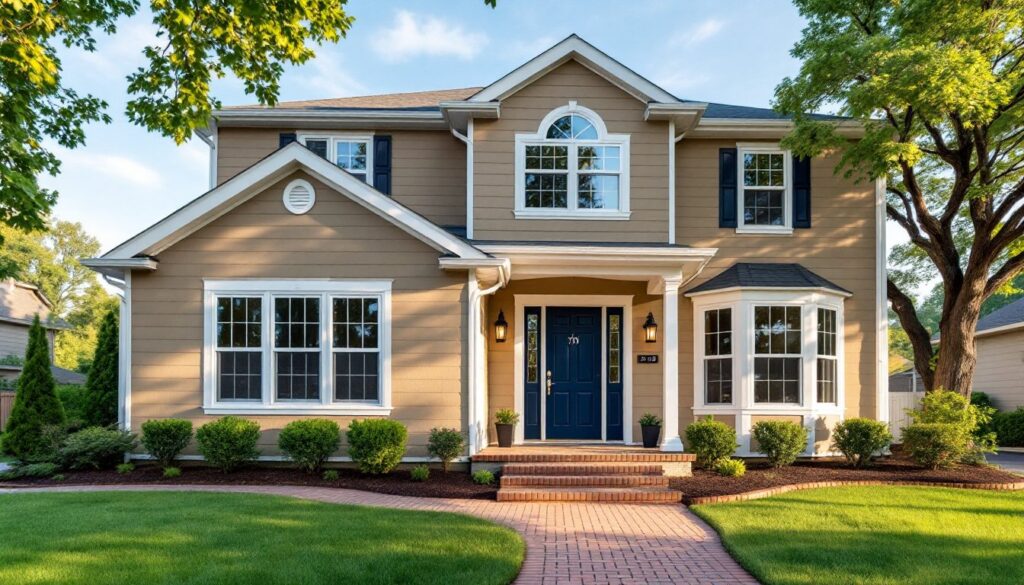
Your home’s exterior is the first thing neighbors, guests, and potential buyers see. It’s also the shell that protects everything inside from weather, pests, and the elements. Whether you’re planning a weekend refresh or a major overhaul, exterior work demands more than aesthetic decisions, it requires understanding materials, weather patterns, and when to call in a pro. This guide walks through maintenance essentials, budget-conscious upgrades, and common pitfalls that can cost you time and money down the road.
Table of Contents
ToggleKey Takeaways
- A well-maintained exterior protects your investment from structural damage, pest entry, and water infiltration while directly impacting resale value and curb appeal.
- Essential exterior maintenance includes clearing gutters twice yearly, inspecting caulk and sealant, checking flashing for rust or gaps, and ensuring proper foundation grading to slope away from the house.
- Budget-friendly exterior projects like painting your front door, power washing surfaces, and edging planting beds can significantly boost curb appeal without requiring permits or contractor costs.
- Choosing the right exterior paint finish—satin for siding, semi-gloss for trim—and testing color samples in different lighting conditions prevents costly mistakes and ensures lasting results.
- Common exterior mistakes to avoid include skipping surface prep, ignoring flashing details, using non-corrosion-resistant fasteners, and planting trees or vines too close to your foundation.
- Proper drainage, water-resistive barriers, and professional help for complex or dangerous tasks like roof work are critical to protecting your home’s exterior and preventing costly water damage.
Why Your Home’s Exterior Matters More Than You Think
Curb appeal isn’t just about impressing the neighbors. A well-maintained exterior protects your investment from moisture infiltration, pest entry, and structural damage. Paint and sealant act as the first line of defense against rot, mold, and UV degradation.
From a financial standpoint, exterior condition directly impacts resale value. Appraisers flag peeling paint, damaged siding, and sagging gutters as red flags. Even minor neglect, like cracked caulk around windows, can lead to water intrusion that costs thousands to remediate.
Beyond the numbers, your exterior sets the tone for your home’s character. A fresh coat of paint or a new front door can make a 1980s ranch feel current, while mismatched repairs or outdated color schemes date a property instantly. Prioritize function first, but don’t underestimate the psychological lift a clean, cohesive exterior provides.
Essential Exterior Maintenance Tasks Every Homeowner Should Know
Routine maintenance prevents small issues from becoming structural headaches. Set a seasonal checklist and stick to it.
Annual inspections should cover:
- Gutters and downspouts: Clear debris twice a year (spring and fall). Check for sagging or separation from fascia. Downspouts should discharge at least 4–6 feet from the foundation.
- Caulk and sealant: Inspect all seams around windows, doors, and penetrations (vents, hose bibs). Reapply when cracks or gaps appear.
- Flashing: Look for rust, gaps, or lifted edges around chimneys, skylights, and roof valleys. Compromised flashing is a leading cause of leaks.
- Foundation perimeter: Walk the foundation line looking for cracks wider than 1/4 inch, pest activity, or soil erosion. Grade should slope away from the house at roughly 6 inches over 10 feet.
Wear safety glasses and gloves when working on ladders. Use a stabilizer or standoff bracket to keep the ladder away from gutters.
Siding Options and Upgrades
Vinyl siding remains the most cost-effective choice, running roughly $3–$8 per square foot installed (prices vary widely by region and labor market). It’s low-maintenance but can crack in extreme cold and fade over time. Look for products with a 0.040-inch minimum thickness and a lifetime fade warranty.
Fiber cement (like James Hardie) costs $6–$12 per square foot installed. It’s more durable, fire-resistant, and holds paint longer than vinyl. Expect to repaint every 10–15 years. Cutting fiber cement generates silica dust, always use a NIOSH-approved N95 respirator and wet-cutting methods.
Wood siding (cedar, pine, or engineered wood) offers classic aesthetics but requires ongoing maintenance: staining or painting every 3–7 years, depending on exposure. Engineered wood products like LP SmartSide resist rot better than natural wood but still need a finish coat.
Metal siding (aluminum or steel) is gaining traction for modern designs. It’s fireproof, insect-proof, and recyclable, but dents easily and can be noisy in rain or hail.
If you’re replacing siding, check local codes for water-resistive barriers (WRB) and flashing requirements. Most jurisdictions require house wrap or a similar product behind the cladding. Don’t skip this step, it’s cheap insurance against water damage.
Budget-Friendly Exterior Projects That Boost Curb Appeal
You don’t need a five-figure budget to make a visible impact. These projects deliver strong ROI without requiring a permit or a contractor.
Refresh your front door: A gallon of exterior-grade paint costs $30–$60 and covers roughly 400 square feet. Sand lightly with 120-grit paper, prime bare wood, and apply two finish coats. Swap outdated hardware (locksets, house numbers, kickplates) for modern finishes like matte black or brushed nickel.
Power wash surfaces: Rent a 2,500–3,000 PSI gas-powered washer for around $75/day. Use a 25-degree nozzle for siding and a 40-degree for wood decks. Keep the wand moving to avoid etching surfaces. Wear hearing protection, gas washers exceed 90 dB.
Upgrade exterior lighting: Swap builder-grade fixtures for larger, statement pieces flanking the entry. LED bulbs (3000K warm white) create inviting ambiance. Add low-voltage path lights or uplighting for trees, kits start around $100 and are DIY-friendly.
Edge and mulch beds: A crisp edge between lawn and planting beds instantly sharpens the look. Use a half-moon edger or a flat spade. Apply 2–3 inches of mulch (avoid piling against siding or tree trunks). Hardwood mulch lasts longer than pine but costs more.
Paint or stain the deck: Solid stains hide imperfections and last 4–6 years. Semi-transparent stains showcase wood grain but need reapplication every 2–3 years. Budget $1–$3 per square foot for materials. Use a stain pad or pump sprayer for speed.
Many of these curb appeal improvements can be completed in a weekend with basic tools.
Choosing the Right Exterior Paint Colors and Finishes
Sheen matters as much as color. Exterior paints come in flat, satin, semi-gloss, and gloss finishes.
- Flat/matte: Hides surface imperfections but harder to clean. Best for older siding with texture.
- Satin: Most popular for siding. Slight sheen resists mildew and washes clean.
- Semi-gloss: Ideal for trim, shutters, and doors. Durable and easy to scrub.
- Gloss: High shine for metal railings or accents. Shows every flaw, surface prep is critical.
Color selection basics: Test samples on multiple elevations. North-facing walls appear cooler: south-facing walls look warmer. View samples in morning, midday, and evening light.
Neutral palettes (grays, taupes, off-whites) offer broad appeal and pair well with natural materials like stone or wood. Bold accents (navy, forest green, charcoal) work best on doors and shutters, not entire facades.
Sample boards: Paint a 2×2-foot section of primed plywood or foam board. Move it around the house to test compatibility with your roof, landscaping, and fixed elements like brick or stone.
Paint quality: Higher-grade paints cost $50–$70 per gallon but cover better and last longer than $25 contractor-grade options. Look for 100% acrylic formulas, they flex with temperature changes and resist cracking.
One gallon typically covers 350–400 square feet per coat. Most exteriors need two coats for full hide and durability. Calculate square footage, subtract window/door area, and add 10% for waste.
For inspiration and color pairings, many exterior design ideas showcase successful combinations across various architectural styles.
Landscaping and Hardscaping Ideas for Your Exterior
Hardscaping (patios, walkways, retaining walls) adds structure and usable space. Softscaping (plants, mulch, turf) softens edges and provides color.
Walkways and paths: Concrete is budget-friendly at $3–$6 per square foot. Pavers (brick, concrete, or natural stone) cost $10–$25 per square foot installed but offer design flexibility. Lay pavers over 4–6 inches of compacted gravel base and 1 inch of leveling sand. Use a plate compactor (rent for $60/day) to prevent settling.
Retaining walls: Any wall over 3–4 feet tall typically requires engineering and a permit. For DIY-friendly heights, use interlocking concrete blocks (like Allan Block or Keystone). Bury the first course below grade, backfill with gravel, and install landscape fabric to prevent soil migration.
Patios: Gravel patios are the cheapest hardscape option ($1–$3 per square foot). Edge with steel or aluminum strip, lay landscape fabric, and top with 3–4 inches of 3/8-inch crushed stone. For a more refined look, consider poured concrete ($6–$12 per square foot) or flagstone ($15–$30 per square foot).
Foundation plantings: Keep shrubs at least 3 feet from siding to allow airflow and prevent moisture buildup. Choose native plants adapted to your climate, they’ll require less water and maintenance. Group plants by water needs (hydrozoning) to improve efficiency.
Irrigation: Drip systems use 30–50% less water than sprinklers and deliver moisture directly to root zones. Kits start around $50 for a small bed. Run lines under mulch to hide them. If you’re installing an in-ground sprinkler system, many municipalities require a backflow preventer to protect potable water, check local codes.
Many exterior project guides provide detailed walkthroughs for more complex hardscaping and structural work.
Common Exterior Mistakes to Avoid
Skipping surface prep: Paint and stain only adhere to clean, dry surfaces. Power wash, scrape loose material, sand glossy finishes, and prime bare wood or metal. Shortcuts here cost you in premature failure.
Ignoring flashing details: Proper flashing keeps water out of wall cavities. If you’re replacing siding or trim, install Z-flashing above doors and windows, and step flashing where walls meet rooflines. Tuck flashing under the water-resistive barrier, not over it.
Using the wrong fasteners: Exterior work demands corrosion-resistant fasteners. Use hot-dipped galvanized or stainless steel screws and nails. Standard bright nails will rust and streak your siding.
Overlapping paint types: Latex (water-based) and oil-based paints don’t play nicely. If you’re repainting, identify the existing finish (rub a small area with denatured alcohol, if it softens, it’s latex). Prime when switching between types.
Neglecting permits: Structural changes, electrical work, and sometimes even re-siding require permits. Unpermitted work can complicate insurance claims and future sales. Check with your local building department before you start.
Planting too close to the house: Tree roots can lift foundations and crack slabs. Keep large trees at least 10–20 feet from the house, depending on mature canopy size. Vines like ivy look charming but trap moisture and damage mortar joints.
Ignoring drainage: Water is the enemy. Gutters, grading, and downspout extensions all work together to move water away from your foundation. If you see standing water or damp basements, address grading and drainage before tackling cosmetic work.
DIYing beyond your skill level: Exterior work often involves heights, power tools, and structural considerations. If you’re not comfortable on a ladder, hire out gutter or roof work. If you don’t own a table saw and haven’t mitered trim before, a porch rebuild might not be the best first project. There’s no shame in calling a pro for complex or dangerous tasks.