Shopping for a new refrigerator can feel overwhelming, especially with so many configurations on the market. The side-by-side refrigerator has been a staple in American kitchens for decades, and it’s easy to see why. With full-height access to both fresh and frozen food, these units combine convenience with sleek aesthetics. But are they the right fit for your kitchen? Whether you’re replacing an old model or upgrading for the first time, understanding the mechanics, benefits, and potential trade-offs will help you make a confident decision. This guide breaks down everything you need to know about choosing a side by side refrigerator that fits your space, budget, and daily routine.
Table of Contents
ToggleKey Takeaways
- A side by side refrigerator splits cooling between a freezer and fresh food compartment vertically, offering eye-level access to both sections and reducing the need to bend or reach awkwardly.
- Side by side refrigerators excel at organization and convenience with built-in ice and water dispensers, narrow doors that require less swing clearance, and a sleek design that fits well in modern kitchens.
- Before purchasing, measure your cookware and kitchen space—wide items like casserole dishes may not fit standard shelves, and energy consumption typically runs 600–800 kWh annually, so look for ENERGY STAR certification.
- Installation requires proper measurements for ventilation clearance, reversible hinges (if needed), water line hookup with compression fittings, and leveling with a 1/8-inch backward tilt to ensure doors self-close.
- Maintain your side by side refrigerator by vacuuming condenser coils every six months, testing door gaskets monthly, replacing water filters semi-annually, and flushing defrost drains annually to prevent mold and ensure 12–15 years of reliable service.
What Is a Side by Side Refrigerator and How Does It Work?
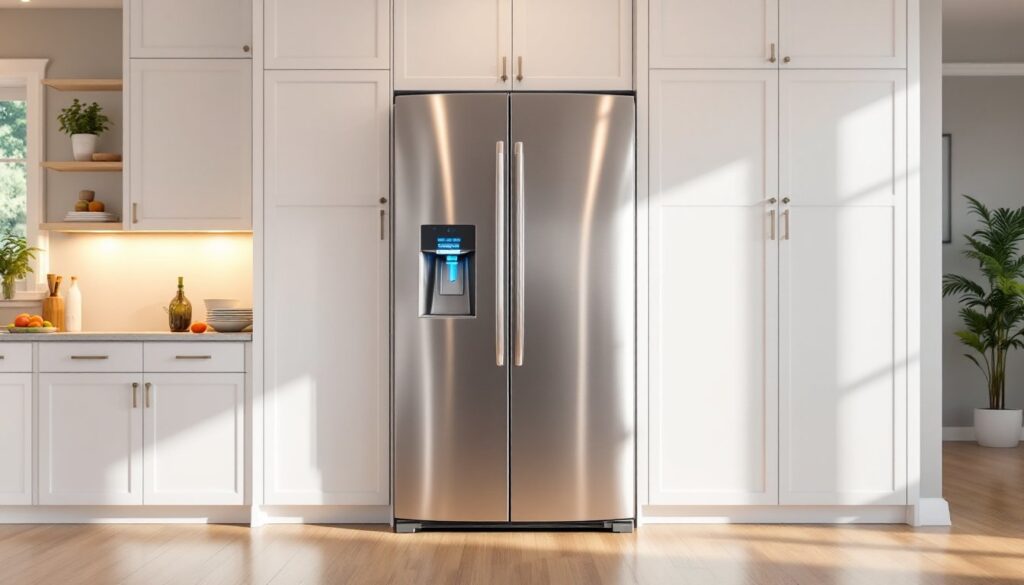
A side by side refrigerator splits the appliance vertically down the middle, placing the freezer on one side and the fresh food compartment on the other. Typically, the freezer occupies the left-hand door, while the refrigerator takes the right.
Inside, both compartments run the full height of the unit, usually between 65 and 70 inches, giving users eye-level access to frozen items without bending. This layout contrasts sharply with top-freezer or bottom-freezer models, where one section requires stooping or reaching.
Most side by side refrigerator freezer units use a single compressor and shared evaporator coils, meaning both sides pull from the same cooling system. Air ducts regulate temperature separately in each compartment, but moisture and odors can occasionally migrate between sections if door seals aren’t maintained. Some higher-end models feature dual evaporators for better humidity control and reduced cross-contamination.
The typical width for a standard side-by-side unit ranges from 32 to 36 inches, though wide side by side refrigerator models can stretch to 48 inches for commercial-style setups. Depth usually lands around 30 to 34 inches (excluding handles), and capacity spans 20 to 30 cubic feet.
Key Benefits of Side by Side Refrigerators for Your Home
One of the biggest selling points is organization. Narrow doors mean you can store every shelf at a comfortable height without digging through a deep compartment. Condiments, leftovers, and deli trays stay visible, and frozen pizzas or ice cream tubs sit right at eye level.
Another advantage: built-in ice and water dispensers. Most side by side refrigerator with ice maker models include door-mounted dispensers that eliminate the need for ice trays or pitchers. This feature typically connects to a 1/4-inch copper or braided stainless supply line running from a nearby water shutoff valve, installation is straightforward if you’ve already got plumbing behind the fridge or in an adjacent wall.
Space efficiency is a third perk. The vertical split means door swing requires less clearance than a full-width French door model. If your kitchen has a tight galley layout or an island close to the fridge, a slim side by side refrigerator (around 32 to 33 inches wide) can fit where wider configurations won’t.
Finally, aesthetic consistency. A stainless steel side by side refrigerator pairs seamlessly with modern appliance suites, and many manufacturers offer fingerprint-resistant or black stainless finishes for easier upkeep. The symmetrical design reads clean and professional, which matters if you’re staging a home for sale or just want a cohesive look.
Potential Drawbacks to Consider Before Buying
The same narrow profile that makes organization easy can work against you when storing wide items. A 13 x 9-inch casserole dish or party platter may not fit inside standard shelves, and tall bottles or pitchers can struggle in the fridge door bins. If you routinely prep large meals or host gatherings, measure your cookware before committing.
Energy consumption tends to run higher than comparable top-freezer models. Side-by-sides average around 600 to 800 kWh per year, depending on size and features. Look for the ENERGY STAR label, certified units typically use 10 to 15% less power than the federal minimum.
Another consideration: freezer capacity. While you get full-height access, the actual cubic footage devoted to frozen storage is often smaller than what you’d find in a chest or upright freezer. Families who buy in bulk or keep multiple frozen meal preps may need supplemental storage.
Finally, maintenance access. If the compressor or evaporator coils fail, repair techs sometimes need to pull the entire unit away from the wall and remove panels from the back or bottom. That’s not unique to side-by-sides, but it’s worth noting if your fridge sits in a tight alcove or under custom cabinetry.
Essential Features to Look for When Shopping
Start with capacity. A household of four typically needs 20 to 25 cubic feet: larger families or serious meal-preppers should target 25 to 30. Check the manufacturer’s spec sheet for fresh versus frozen volume, some models allocate more to one side.
Adjustable shelving is non-negotiable. Spill-proof glass shelves with slide-out or flip-up sections let you reconfigure storage on the fly. Gallon-sized door bins are a must for milk, juice, and condiments.
If you want a side-by-side refrigerator with ice maker, verify the type: in-door dispenser or internal bin. Door dispensers sacrifice some shelf space but offer filtered water and crushed or cubed ice on demand. Internal bins free up door real estate but require opening the freezer each time. Both styles need a water line, budget for a plumber if you don’t have an existing hookup.
Temperature controls matter more than most buyers realize. Digital displays with precise degree adjustments (32–38°F for fresh food, 0–5°F for freezer) beat analog dials. Some units include separate climate zones for deli meats or produce drawers with humidity sliders.
For finish, stainless steel remains the most popular, but it shows fingerprints and smudges. Fingerprint-resistant coatings or matte black stainless reduce daily wiping. If you’re matching existing appliances, bring paint chips or photos to verify the shade, “stainless” varies widely between brands.
Finally, consider smart features if you want app-based diagnostics or remote temperature monitoring. These add $200 to $500 to the sticker price, so decide whether you’ll actually use them. According to appliance experts at Good Housekeeping, smart fridges can alert you to open doors or expiring food, but many owners never connect them to Wi-Fi.
Installation Tips and Space Requirements
Before you buy side by side refrigerator models, measure three dimensions: height, width, and depth. Add one inch to each side and the top for ventilation clearance, compressors need airflow to prevent overheating. If you’re sliding the unit into an alcove or under a cabinet run, verify that the total height (including hinges or leveling feet) doesn’t exceed your opening.
Door swing is critical. Open both doors fully and measure the arc, you’ll need enough clearance to pull crisper drawers or freezer baskets all the way out. A small side by side refrigerator (around 30 to 32 inches wide) can fit tighter spaces, but double-check that cabinet hardware or adjacent walls won’t block door travel.
Most units ship with the doors mounted for right-hand freezer placement. If your kitchen layout demands the reverse, check whether the hinges are reversible. Some models allow field reversal: others require factory configuration.
For water line installation, you’ll need:
- A nearby cold-water shutoff valve (usually under the sink or in the basement)
- 1/4-inch copper or braided stainless supply tubing
- Compression fittings and Teflon tape
- A saddle valve or T-fitting (check local code, saddle valves are prohibited in some jurisdictions)
Run the line through a cabinet kick plate or drill a 3/8-inch hole in the floor if coming from below. Leave enough slack behind the fridge to pull it out for cleaning without kinking the tube. If you’re uncomfortable soldering copper or tapping into pressurized lines, hire a plumber, water damage from a botched hookup costs far more than a service call.
Leveling the unit is non-negotiable. Use a 24-inch spirit level across the top and adjust the front feet until the bubble centers. A slight backward tilt (about 1/8 inch over 24 inches) helps doors self-close and prevents puddling in the fresh-food compartment. Many models include adjustable rollers or screw-type feet accessible from the front grille.
Maintenance and Care for Long-Lasting Performance
Coil cleaning is the single most important task. Condenser coils typically sit behind a grille at the bottom front or across the back panel. Dust, pet hair, and kitchen grease clog the fins, forcing the compressor to work harder and shortening its lifespan. Vacuum coils every six months using a coil brush or crevice tool. If coils are rear-mounted, pull the fridge forward and unplug it first.
Door seals (also called gaskets) should close with light resistance. Test by shutting a dollar bill in the door, if it pulls out easily, the seal is compromised. Wipe gaskets monthly with warm soapy water and check for cracks or tears. Replacement gaskets cost $50 to $150 and snap or screw into a retaining channel: most homeowners can swap them in under an hour.
Water filters for ice makers and dispensers should be replaced every six months, or per the manufacturer’s indicator light. Filters trap sediment, chlorine, and lead, but they lose effectiveness over time. Generic filters run $20 to $40: OEM (original equipment manufacturer) versions cost $40 to $70. If you notice cloudy ice or off-tastes, swap the filter early.
For interior cleaning, pull shelves and bins every few months and wash with dish soap or a 1:1 vinegar-water solution. Avoid abrasive pads on glass shelves, they’ll scratch. Wipe door bins with a damp microfiber cloth to prevent sticky buildup from condiments.
Defrost drains can clog with food particles or ice, leading to water pooling under crisper drawers. Locate the drain hole at the back of the fresh-food compartment (often hidden beneath a cover plate) and flush it with warm water or use a pipe cleaner to clear blockages. Home renovation experts at This Old House recommend doing this annually to prevent mold and odors.
Finally, monitor temperature settings. If food freezes in the fridge or ice cream softens in the freezer, recalibrate the thermostat. Most units have a three-degree swing: if temps fluctuate more, the defrost cycle or thermistor may need servicing.
Conclusion
A well-chosen best side by side refrigerator balances capacity, features, and footprint to match your household’s rhythm. Measure carefully, prioritize the features you’ll actually use, and don’t skip installation prep, water line hookups and proper leveling prevent headaches down the road. With routine coil cleaning and seal checks, a quality unit should deliver 12 to 15 years of reliable service. Whether you land on a small side by side refrigerator freezer for a compact kitchen or a wide side by side refrigerator for a growing family, the right model will make daily routines smoother and keep groceries organized at eye level.